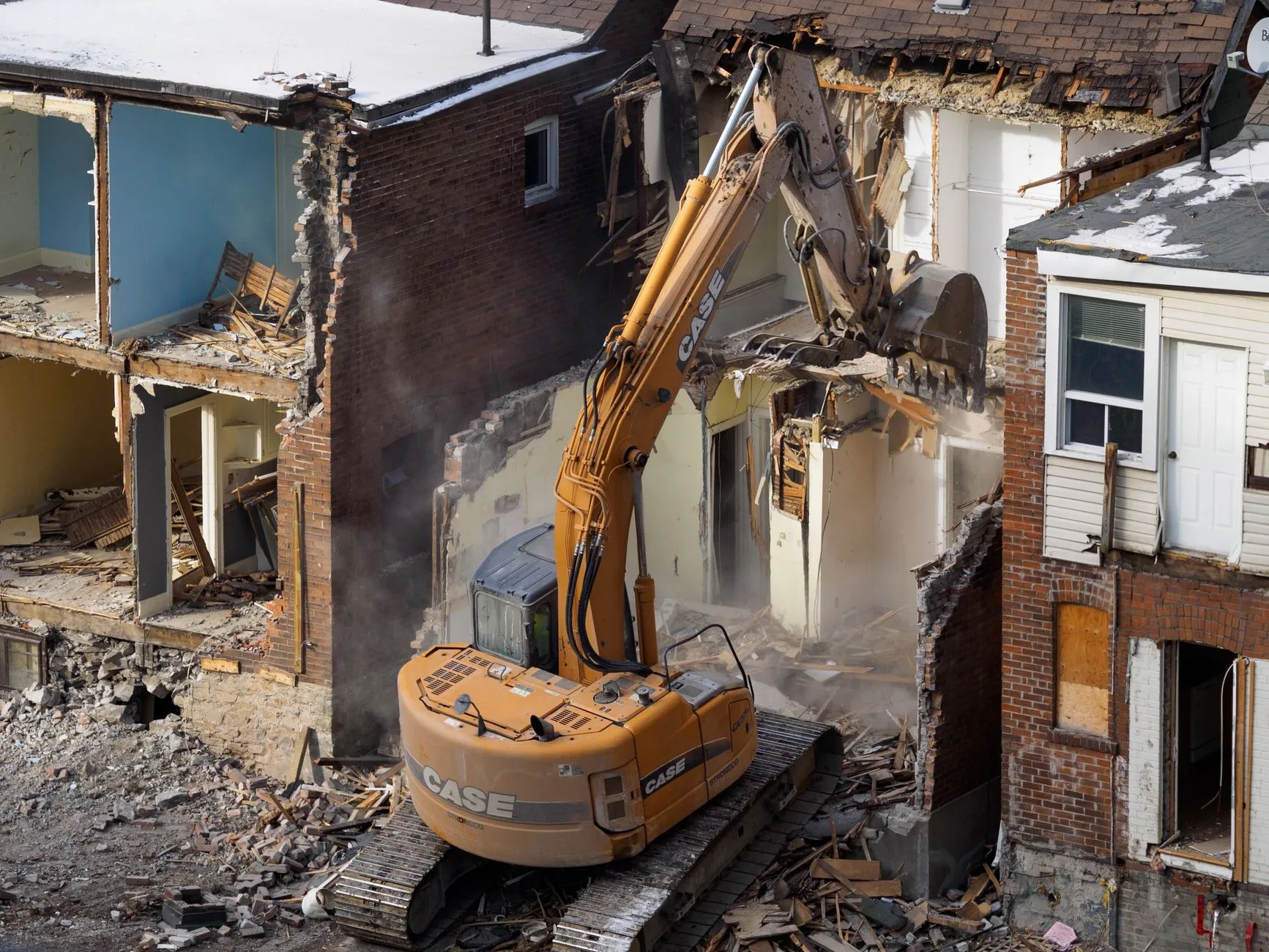
Demolition waste management goes wrong in one of two ways. Either it’s planned too late, after the structure’s already down, when your options are limited and your costs are fixed. Or it’s not planned at all, and you find out about a problem, asbestos, a missing licence, a waste stream nobody budgeted for, partway through the job.
Here’s how to plan it properly, from the first survey to the last load off site.
1. Survey Before You Plan Anything Else
Everything else depends on this step. A proper site survey tells you what you’re actually dealing with:
- The structure itself, and the safest, most efficient method for bringing it down
- Whether asbestos or other hazardous materials are present
- What’s reusable or recyclable, and what isn’t
- Any site-specific risks that affect method or sequencing
Skipping or rushing this step is where most demolition waste problems start. You can’t plan waste streams, licensing or disposal routes properly until you know what’s actually in the building.
2. Classify Your Waste Streams Early
Demolition waste isn’t one thing, it’s several, and each one needs handling differently. Broadly, you’re looking at:
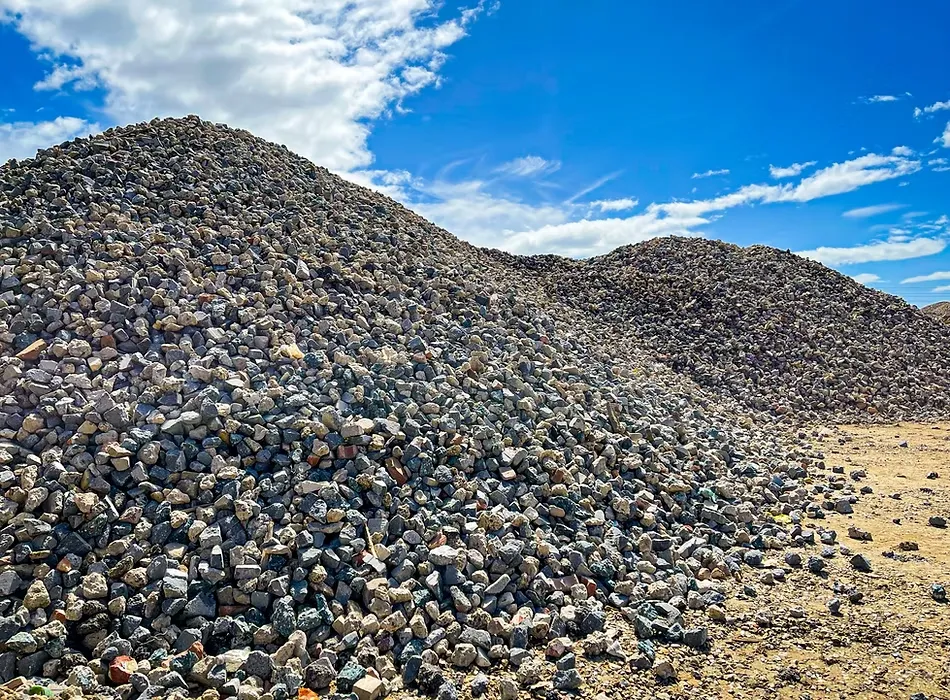
- Inert material – concrete, brick, rubble. Usually the largest volume, and the most straightforward to recycle into aggregate
- General construction waste – timber, metal, plasterboard and similar, often separated for recycling or disposal depending on condition
- Hazardous waste – asbestos and contaminated materials, which need licensed identification, removal and disposal, not general handling
Knowing which streams you’re dealing with before work starts means the right skips, vehicles and licensed routes are in place from day one, not arranged reactively once material’s already piling up on site.
3. Get the Paperwork in Order Before Work Starts
This is the step that gets missed under time pressure, and it’s the one that causes the most delay if it’s wrong. Before any demolition work begins, you need:
- A registered waste carrier handling removal and transport, licensed to do so legally
- Any Section 80 notice or local authority approval the project needs
- Waste transfer documentation for every load leaving site, not just the hazardous ones
- A licensed route for hazardous waste specifically, including asbestos, if the survey identified any
Traceable records matter here too. Every load that leaves a demolition site should be accounted for, both for your own compliance and because it’s the only way to prove where the waste actually went if anyone ever asks.
4. Plan for Reuse and Recycling, Not Just Disposal
The best waste management plans don’t just move material off site, they work out what can come back.
We’ve seen this work at real scale. On a Section 80 demolition of four former UKAEA and RAF buildings, the materials from the demolition itself were reused on site, crushed and compacted as 6F2 with plate load testing, rather than taken away and replaced with new material brought in. A heritage trail was retained on the same site, keeping part of its story in place.
That’s not possible on every job, but it’s worth asking the question before assuming everything has to leave site. Where material can’t be reused on site, recycling it into usable aggregate, rather than sending it to landfill, is usually still the better option, both environmentally and on cost.
5. Choose a Contractor With the Right Credentials
A waste management plan for demolition only works if the contractor carrying it out is licensed and audited to do it. Before appointing anyone, check for:
- Registered waste carrier status
- Licensing for hazardous waste and asbestos removal
- Independent audit of fleet and site compliance, such as DVSA Earned Recognition or an NFDC audit
- A track record on complex jobs, not just standard ones
A contractor who can show these isn’t just compliant on paper, they’re the ones who’ll catch a problem in the survey stage rather than halfway through the job.
Plan It Before, Not During
Every step above works better the earlier it happens. Survey before you plan. Classify waste streams before you order skips. Get licensing sorted before, not during, demolition. The projects that run smoothly are the ones where the site waste management plan was part of the job from the start, not an afterthought once the first load needed moving.
If you’re planning a demolition project and want to talk through what the waste management side actually involves, get in touch before you start, not once you’re already on site.