The wrong aggregate on a job costs you twice. Either it doesn’t meet spec and has to come back out, or you’ve paid for a higher grade than the application needed. Getting the right material, the right size and the right finish from the start matters more than most people account for when they’re ordering.
Here’s a straightforward guide to choosing between washed and dry aggregates, and picking the right grade for the job in front of you.
Washed vs Dry Aggregates: What’s the Difference?
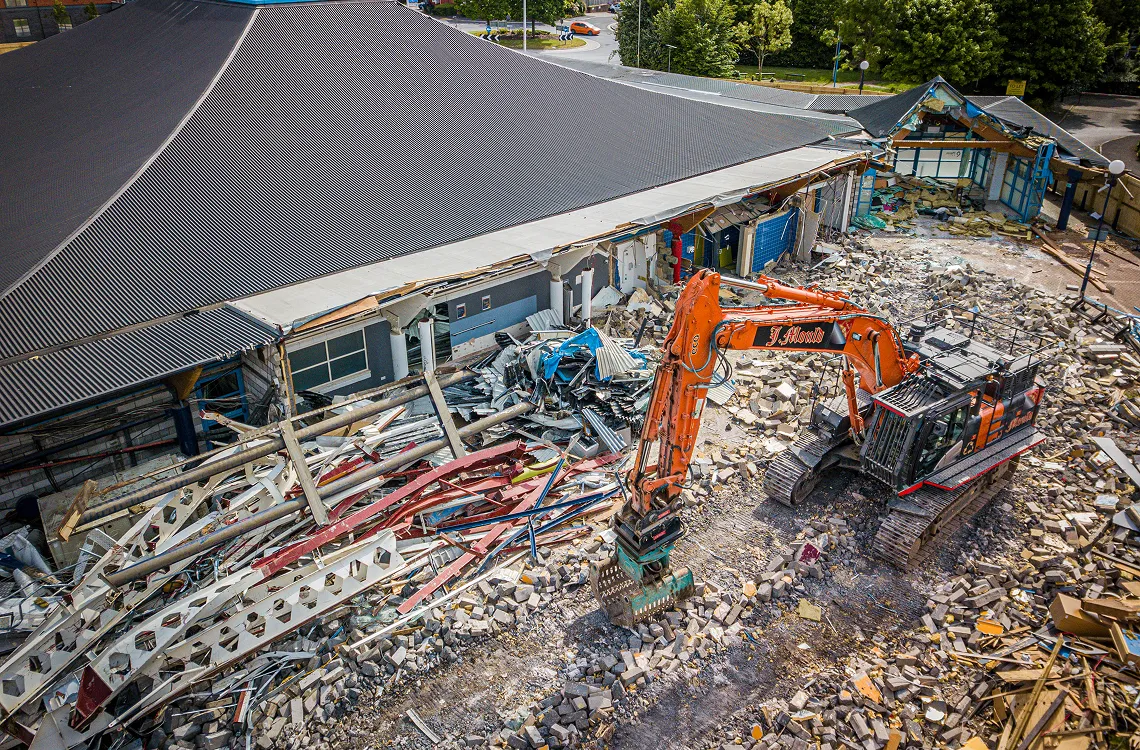
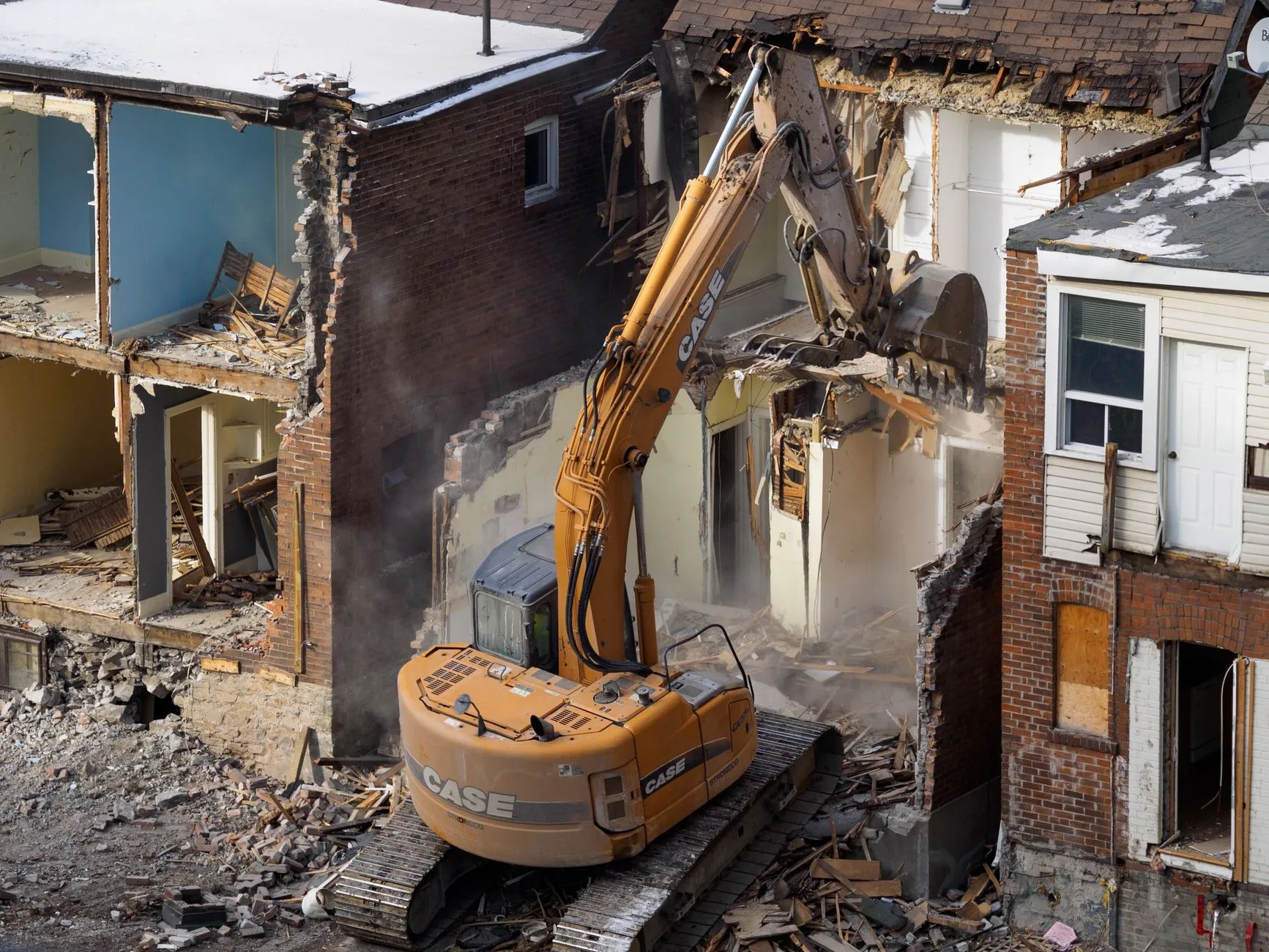
Both start life the same way, recycled from demolition sites and processed on site. The difference is what happens next.
Washed aggregates go through a washing, scrubbing and screening process that removes fine contaminants dry processing alone can’t touch. It’s a more involved process, and it shows in the finish, washed shingle, sharp sand and ballast all come out cleaner and more consistent than their dry equivalents, which is why they’re specified for applications where cleanliness and grading matter more, concreting, drainage schemes, pipe bedding and permeable paving among them.
Dry aggregates skip that extra washing stage. They’re still crushed, screened and processed to the same industry standards, just without the wash. For sub-base, capping, hardstanding and groundworks, where strength and compaction matter more than a clean finish, dry aggregates do the job without paying for a process the application doesn’t need.
Neither is better across the board. It comes down to what you’re building.
Choosing by Application
Driveways, patios, roads and trench fills Type 1 recycled aggregate (0/32mm) is the standard choice here, a crushed concrete and asphalt blend produced and tested in line with Clause 803 of the Specification for Highway Works. It’s the material most commonly specified as the final sub-base layer under a road or hardstanding.
Capping a subgrade before construction 6F5 crushed aggregate (0/80mm) is used to cap off the subgrade or bare subsoil before building a road or hardstanding on top of it, and it also works as a piling mat for a piling rig. It comes in two versions, a hardcore blend (brick, concrete, asphalt and fines) that’s the more cost-effective option, and a pure crushed concrete version for a higher-quality finish where the spec calls for it.
Boggy, muddy or wet ground Crushed concrete and tarmac with no fines (40/80mm) is built for exactly this situation. Because there are no fines in the mix, the material binds with the underlying wet subsoil rather than sitting on top of it, giving you a hard base where a standard aggregate would just sink in.
Land drainage and soakaways 40mm washed shingle is the grade to reach for, compliant with BS EN 13242 and Highways Agency specification 6C. It’s not suitable for driveways due to its size, but for land drainage, soakaways and similar schemes it’s exactly what’s specified.
Concrete, pipe bedding and hard landscaping 10mm and 20mm washed shingle cover this ground. Both are fine to mid-size, rounded and angular stone, washed and screened to BS EN 13242, and suited to mixing into concrete, drainage schemes, hard landscaping and pipe bedding.
Decorative borders and landscape projects 80mm washed shingle is the coarsest grade in the range, and it’s a landscaping product first, not a drainage one. If you’re after a decorative finish for borders or landscape features, this is the size to look at.
Block paving, concreting and floor screeds Washed sharp sand (0/4mm) is triple washed to produce a consistent 4mm coarse sand, used across block paving projects, general building and landscaping work, concreting and floor screeds.
General concrete work and landscaping Washed ballast (0/20mm) combines recycled sharp sand and washed shingle into one product, a cost-effective option for concrete-based applications and landscaping work.
Permeable paving (SuDS) If you’re installing Formpave Aquaflow paving, you’ll need the matching sub-base grading, either 4/20mm or 10/63mm Formpave-grade washed aggregate, depending on the system’s spec.
Gardens and lawn improvement Screened topsoil, screened to remove anything bigger than 10mm, is suited to gardens, fixing uneven lawns and improving drainage in soft landscaping.
Why It’s Worth Getting This Right
Specifying the wrong grade doesn’t just risk a failed inspection. It can mean a driveway that doesn’t compact properly, a drainage scheme that doesn’t drain, or a sub-base that can’t take the load above it. Every grade above exists because it’s suited to a specific job, not because there’s one aggregate that does everything reasonably well.
Why Choose Recycled Aggregates From J Mould
We’ve been family-owned and managed in Reading since 1969, and our own Materials Recycling Facility recycles almost everything that comes through it on site, with a verified 98.06% recycling rate for skip waste. That’s not incidental to the aggregates we supply, it’s where they come from. Every grade on this list is produced and processed at our own site, delivered on our own fleet, not a hired-in third party.
If you’re not sure which grade your project needs, get in touch and we’ll help you work it out before you order, not after.